Spoon Grasp Development
Parents should be patient when a child wants to learn how to use cutlery himself. This activity is not easy for all children. A child may refuse a spoon and eat with his hands if he fails to grab food several times in a row. It is necessary to develop a clear plan of action to teach the baby to hold a spoon correctly.
Steps of Spoon Grasp Development
Children develop at their own pace. Some are interested in a spoon from the first day of feeding. Others show no interest in eating utensils until the age of two. It is necessary to take into account the individual characteristics of the baby, his character, temperament during the spoon grasp development.
Pediatricians recommend familiarizing the child with a spoon at first. The new item will not cause fear in him in this way. You can let him play with a spoon and knock on the table. General family meals have a positive effect on the development of grip. The kid watches adults and adopts their mannerisms.
Coordination of movements at an early age is not yet developed. Children cannot fully grasp a spoon. The signal that the child is ready to learn how to use cutlery is an interest in food, an attempt to take food with his hands. You can teach the baby to use appliances in this case.
Development process is divided into stages:
6 – 8 months
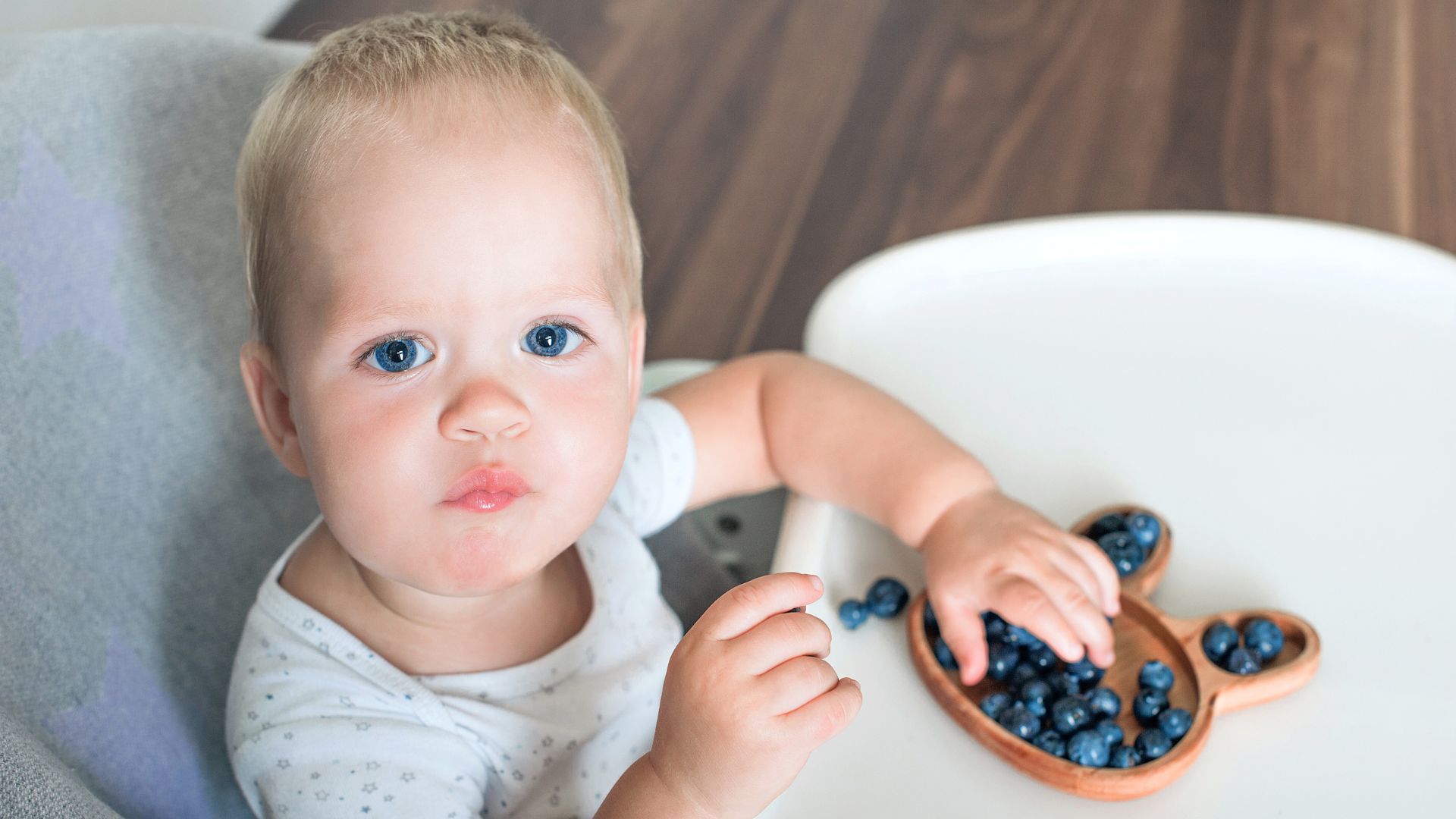
A significant period in the life of the baby begins – complementary foods. The child gets acquainted with new products, the consistency of food, tastes every day. The process of complementary feeding arouses interest in children. Babies often try to catch food with their hands. This is the first evidence of readiness to handle the spoon.
The baby is only aware of his body. He understands that he can carry out movements of his own free will. This encourages the child to try to grab food from the plate on their own. Grasping reflexes in children at an early age are well developed. Toddlers manage to grip the spoon tightly, but the coordination of movements is not enough to bring all the food to their mouths.
Parents need to be patient. A baby’s failure to feed on its own can cause irritability at the sight of a spoon. Do not force your child to use the device. It is better to wait until he shows interest in the spoon again.
8 – 10 months
The child likes to copy the behavior of adults at this age. It is worth practicing joint meals (at least dinners). The baby makes more attempts to hold the spoon correctly during this period of development. The desire to play with cutlery must be suppressed.
Coordination of movements is not developed at a sufficient level in children under the age of ten months. Children make an effort to grab food with a spoon, but they are not enough. Parents should support the baby’s hand, teach them to carry a spoon to their mouth and encourage successful attempts. The child still cannot fully eat at this age. He needs to be fed.
10 – 12 months
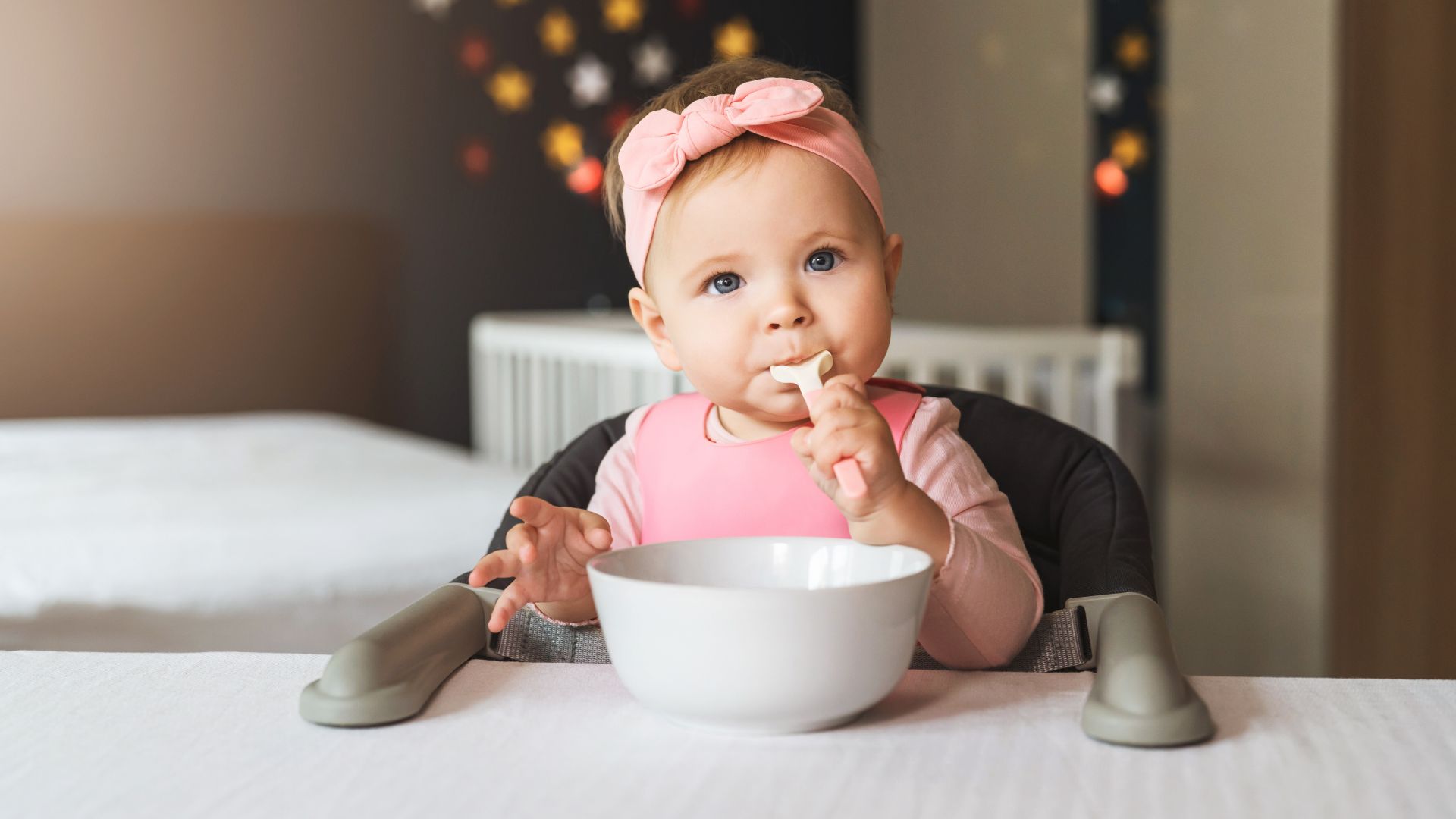
Children continue to copy the behavior of adults and do it even more willingly at the age of one year. The child manages to fully eat with a spoon. It is worth correcting the cutlery and accustoming to hold the spoon correctly.
A one-year-old child can be left alone with food. He will be able to slowly get acquainted with the contents of the plate. It is important to continue to follow the rituals. Show by example how to properly use cutlery.
12 – 18 months
The coordination of the child’s movements reaches a high level. The baby can cope with food in the form of puree. Grabbing food with a spoon becomes easier. One-year-old children can be partially transferred to an independent meal.
It is necessary to accustom the child to the algorithm of the action “spoon-food-mouth” to develop the correct grip of the spoon. Cutlery is no longer playable. Children must understand that a spoon is used for eating. The baby still cannot eat all the food from the plate: you will have to feed the child.
18 – 24 months
Children can eat on their own with a spoon, eat all the food offered without dropping it on the floor. It is worth offering the baby first courses in addition to cereals and puree. The child gets to hold the spoon correctly, follow the algorithm for eating. The process of self-eating is still long. Toddlers can still get their clothes and hands dirty, trying to grab pieces with their hands.









































Average Age for Spoon Grasp Development
It is necessary to introduce a child to a spoon when he shows interest in it. Children from six months cannot understand what the cutlery is for and act instinctively. Parents take the spoon away from the baby because it gets dirty. This is the wrong approach. The child must get used to the new subject.
The age of eight to ten months is considered a favorable period for independent mastery of a spoon. It’s important to let your child taste the food on their own, even if they smear it all over their face. There will be no quick result in the process of developing a proper spoon grip.
Children from one and a half to two years old can fully eat different foods on their own. Parents will have to correct the cutlery and be reminded of its purpose. You can’t rush the child. The kid can accurately behave at the table for up to two and a half years if you approach learning to use cutlery correctly.
What May Help Baby’s Spoon Grasp Development
Fine motor skills in children will improve at the age of twelve months. This is a good time to teach your baby to eat on their own. The child can properly hold the cutlery and understands its purpose. Since children develop at different rates, there are categories of babies who do not want to feed themselves.
It is easier for mothers to feed the baby on their own. The process of eating is completed sooner and the child remains clean. This is a disservice because the children will feel insecure in the team. Parents should resort to tricks that will help incite the child to independence.



latest video

news via inbox
Nulla turp dis cursus. Integer liberos euismod pretium faucibua