When Can Babies Have Whole Milk?









































What can be harmful to whole milk for a baby?
You should never force a child to eat milk if he has an individual reaction to this product. There will be no benefit from such violence for sure. What harm can whole milk potentially cause?
Risk of disease
– Uncooked milk spoils quickly. There is a risk of developing harmful bacteria. You can get a streptococcal infection, brucellosis, typhoid fever, and so on.
Digestive disorder
– Whole milk has coarse flakes of casein protein, especially cow’s milk. They tend to envelop the digestive organs and stay on their surface for a long time. This often provokes stagnation of feces and problems with the intestines. Various disorders in the functioning of the digestive tract can occur with the abuse of milk or its high-fat content.
Lactose intolerance
– You can face lactose intolerance if you thoughtlessly introduce milk into the diet of a child. It can present with harmless symptoms such as bloating or more serious symptoms such as diarrhea, or blood and mucus in the stool.
Excess weight
– The use of full-fat whole milk with a good diet can cause overweight in a child. He will be bigger than his peers. We will have to resolve the issue by introducing a diet that is always an extremely stressful situation for everyone.
Anemia
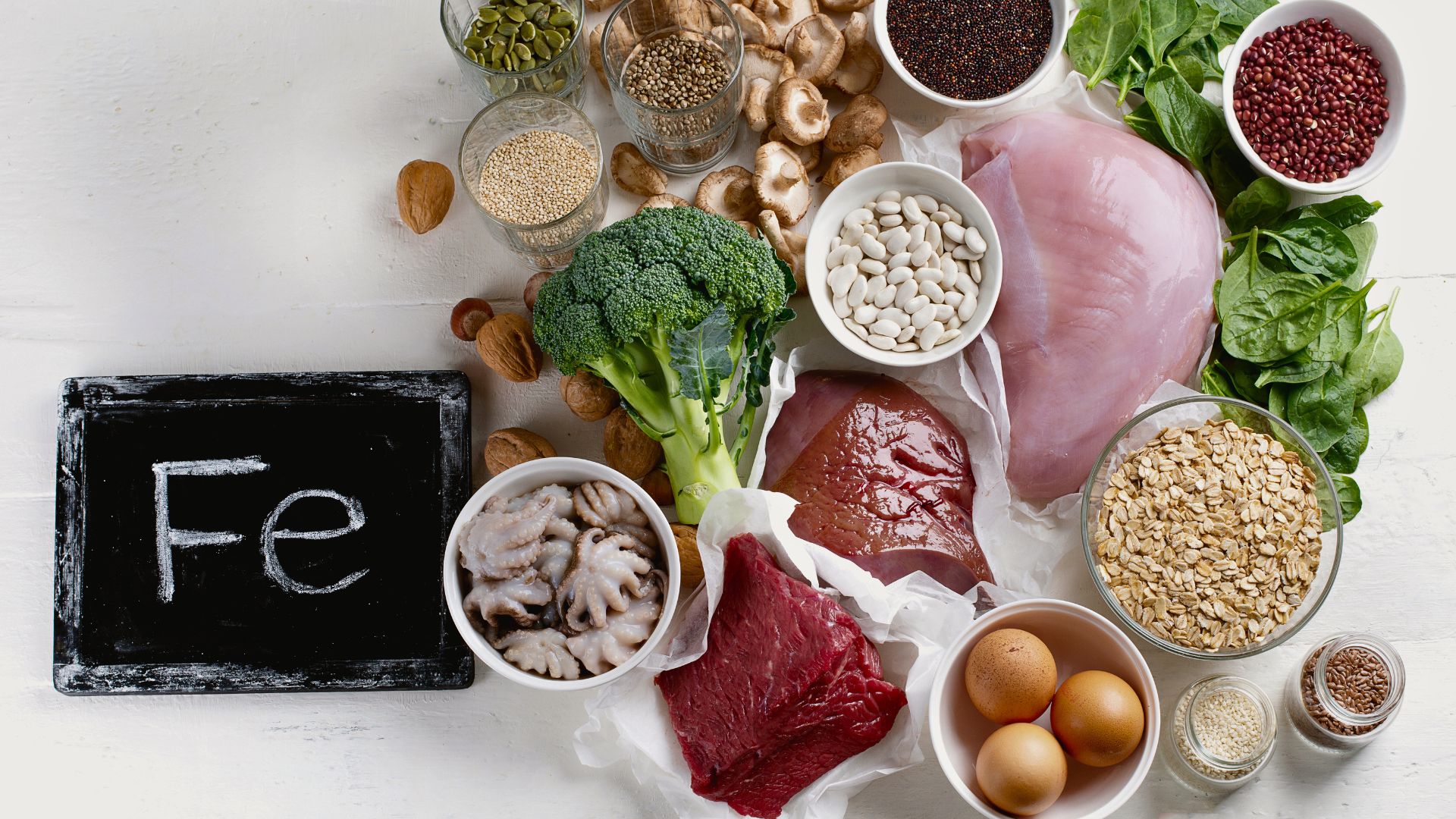
– Animal milk contains iron. The use of whole milk cannot be a complete alternative to breast milk. It can only be used as a component of the diet. Otherwise, the risk of developing iron deficiency anemia is high.
Allergy
– Products of protein origin often cause allergies. Milk contains a protein that can trigger an immune response. It is most often expressed in diathesis, allergic colitis, and diarrhea in children.




latest video

news via inbox
Nulla turp dis cursus. Integer liberos euismod pretium faucibua