Baby Eyes Rolling Back
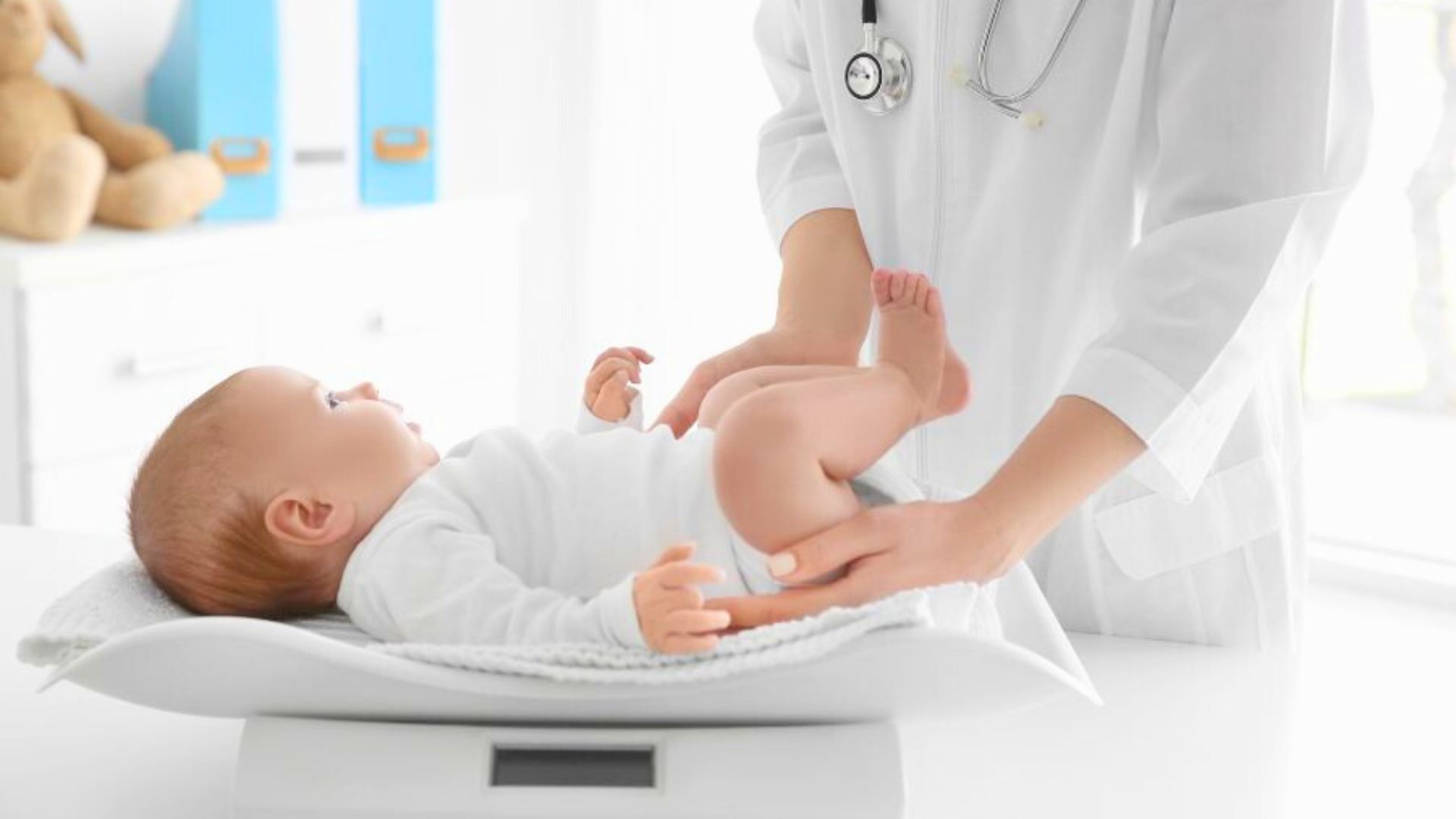
It is necessary to observe the child. Record changes in behavior that cause anxiety in parents. Rolling eyes in children under one year old is not a pathology in most cases. A pediatrician can recognize a serious illness in a baby who rolls his eyes. Parents should consult a doctor not to miss the formation of neurological disease.
Is it Normal for Babies to Roll Their Eyes Back?
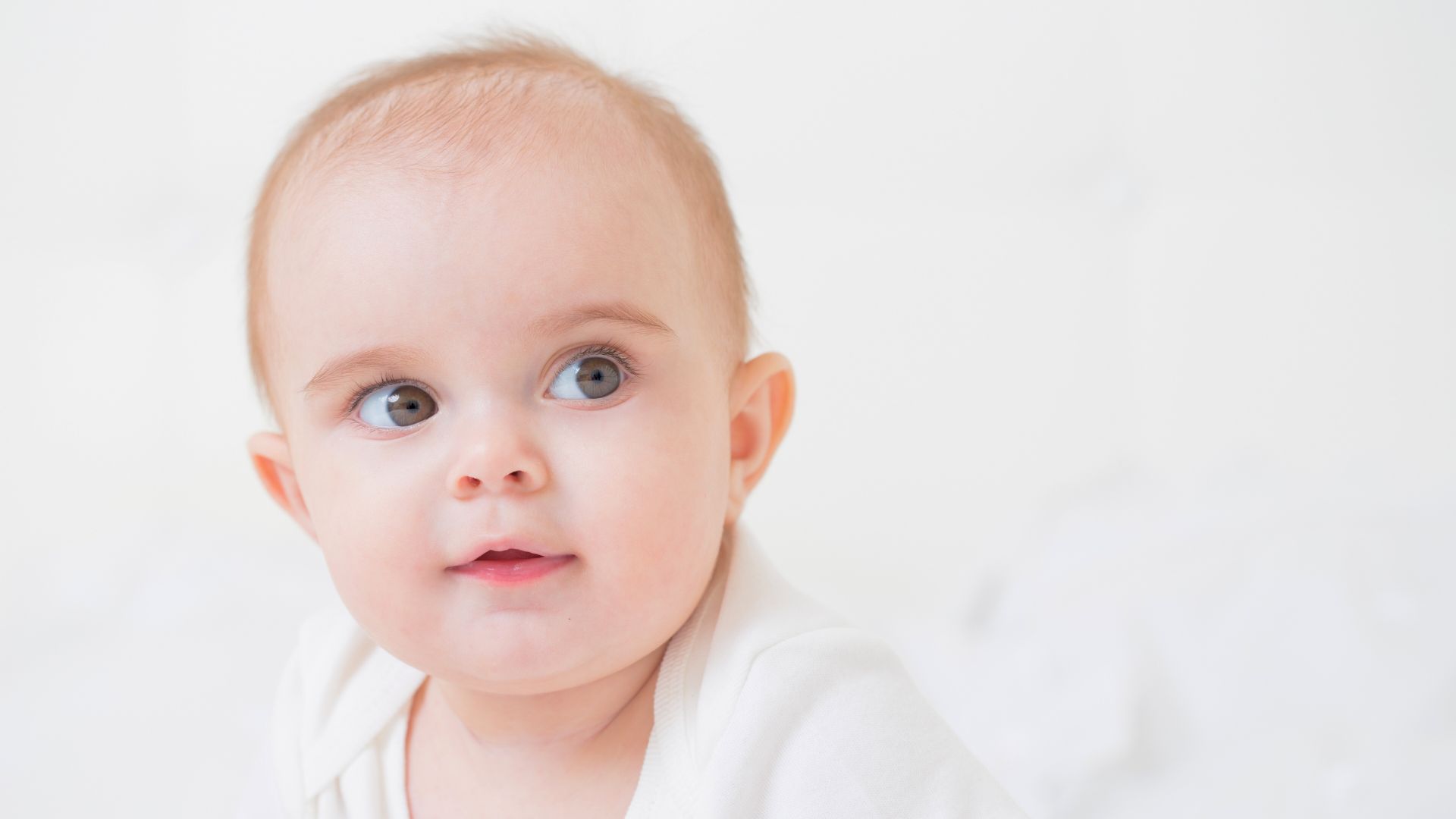
The body of a newborn child continues to develop rapidly in the first months of life. This also applies to the organs of vision. The baby cannot control the unformed eye sockets. Child is not yet able to focus his eyes. Baby tries to examine the objects placed above his head by rolling his eyes.
Rolling eyes in the first weeks of life is considered quite normal. Babies raise their eye sockets up during wakefulness, sleep, and feeding. All strength of the baby is directed to the extraction of food while sucking the breast. Other organs relax including visual ones.
Visual organs in infants become more developed when the neonatal period ends (the first 28 days of a child’s life). The kid learns to keep an object in sight, focus on people and objects. Rolling eye sockets in children from one month old under the upper eyelid may indicate the formation of pathologies.
Doctors are more concerned when the child “hides” the pupil down. This may be a symptom of neurological disease. Parents need to monitor the type of rolling of the eye sockets. In cases where the pupils twitch to the sides, move in different directions, a nervous tic occurs, you should immediately contact pediatrician.









































When to Worry and Consult a Doctor
Rolling eyes in newborns should not cause concern to parents if the child develops normally and behaves calmly. Difficulties with falling asleep or early awakening of the baby should alert. If rolling pupils are accompanied by anxiety, increased excitability, tilting the head back, you should consult a doctor.
Alarming symptoms in newborns are nausea, frequent regurgitation, jaw trembling. Rolling eyes accompanied by loss of appetite or difficulty feeding. This indicates the need for immediate consultation with a pediatrician.
It is important to contact a specialist if a one-year-old child has a deterioration in the coordination of movements in parallel with rolling eyes. Sometimes children may stumble upon an obstacle and not notice it while walking. An increase in body temperature with the described symptoms may indicate a malfunction of the brain or intoxication of the body.
Doctors can diagnose hypertonicity of the eyes and facial muscles. After examining an oculist and a neurologist select a set of exercises that can be performed at home (gymnastics for the eyes, massage) and in the hospital (physiotherapy).
In no case should you self-medicate. It is forbidden to use folk methods to combat eye rolling. Only a pediatrician can make a correct diagnosis for a child. You should discuss with your doctor the points that cause anxiety in parents. There are no trifles when it comes to the health of a child.




latest video

news via inbox
Nulla turp dis cursus. Integer liberos euismod pretium faucibua